In the ever-evolving world of financial markets, Contract for Difference (CFD) trading has gained immense popularity due to its accessibility, flexibility, and the potential to profit from both rising and falling markets. As traders move from beginners to more advanced levels, leveraging the best CFD trading tools becomes essential to enhance trading strategies and optimize performance. This article takes an in-depth look at some of the most advanced cfd trading tools review, providing insights into their key features, benefits, and how they can elevate your trading experience.
What Are CFD Trading Tools?
CFD trading tools are software applications designed to help traders make informed decisions, manage risk, and execute strategies efficiently. These tools often integrate with trading platforms like MetaTrader, cTrader, and others, offering features that range from market analysis and automation to real-time alerts and risk management.
Advanced CFD Trading Tools for Precision and Control
1. Advanced Charting and Technical Analysis Tools
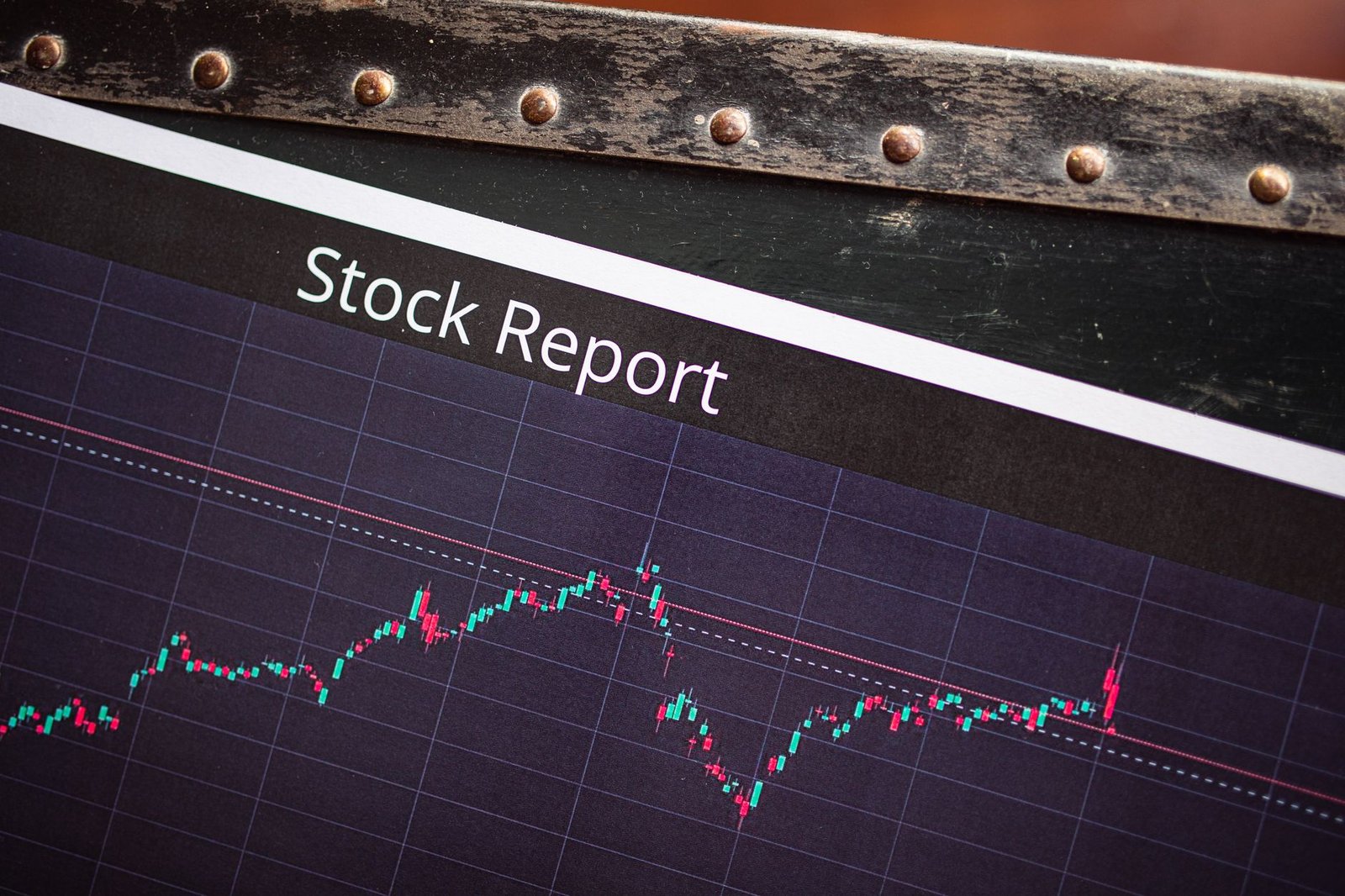
One of the cornerstones of successful CFD trading is technical analysis. Advanced charting tools allow traders to view market trends, price action, and key indicators with greater precision. These platforms also offer custom indicators, Fibonacci retracements, and oscillators that can be tailored to individual trading strategies.
Moreover, many charting tools integrate with automated trading systems, allowing traders to execute trades based on pre-set criteria without needing to be constantly present. This is particularly beneficial for those engaging in scalping or high-frequency trading.
2. Risk Management Tools
Effective risk management is crucial for long-term success in CFD trading, and advanced risk management tools can make a significant difference. Tools in platforms such as MetaTrader 5 allow traders to assess their risk exposure before opening a position. These tools help traders set stop-loss and take-profit levels with precision, minimizing potential losses while securing profits.
In addition to basic risk management, these tools can assist traders in calculating the optimal position size based on account balance, risk tolerance, and leverage, helping to maintain a balanced portfolio and prevent excessive losses.
3. Algorithmic and Automated Trading
For traders who prefer to take a hands-off approach or those who want to implement complex strategies, algorithmic trading tools are invaluable. Expert Advisors (EAs) in MetaTrader allow traders to automate their strategies, reducing emotional decision-making and enhancing consistency. These EAs can be programmed to follow a set of pre-determined criteria and execute trades autonomously. This tool is ideal for traders who need to operate across multiple markets or time zones.
Moreover, some CFD platforms allow traders to use advanced backtesting features. Backtesting evaluates a strategy’s performance on historical data, allowing traders to refine their approach and test various strategies before implementing them in live conditions.
4. Economic Calendar and News Feeds
In CFD trading, staying ahead of economic events can provide a significant edge. Advanced trading tools integrate real-time economic calendars and news feeds that alert traders about market-moving events, such as interest rate decisions, GDP reports, or geopolitical developments. By being aware of these events, traders can anticipate potential market volatility and adjust their positions accordingly.
Many platforms offer customizable notifications, so traders can receive alerts based on the asset they are trading. Real-time news integration helps traders stay informed without leaving their trading platform, improving decision-making during fast-moving markets.
5. Trading Signals and Market Sentiment Tools
CFD traders can also benefit from tools that provide real-time trading signals and track market sentiment. These tools analyze market data, news, and trends to provide actionable insights, including potential buy and sell signals. Tools like Sentiment Indicators help gauge the market’s overall mood, allowing traders to adjust their strategies based on whether the market sentiment is bullish or bearish.
Additionally, advanced trading platforms can provide social trading features, where traders can follow successful traders and replicate their strategies. This type of collaboration can help both beginners and experienced traders improve their performance.
Benefits of Using Advanced CFD Trading Tools
- Enhanced Decision Making: Advanced tools offer real-time data and analytical insights, empowering traders to make well-informed decisions with confidence.
- Increased Efficiency: Automation features reduce manual work and allow traders to execute strategies more effectively, saving time while optimizing their trading approach.
- Risk Control: Risk management tools help traders define clear entry and exit points, manage position sizes, and mitigate potential losses, ensuring a more balanced risk-reward ratio.
- Adaptability: With a broad range of tools, traders can easily adapt to different market conditions, whether the market is trending, ranging, or experiencing high volatility.
- Market Coverage: With the integration of economic calendars and news feeds, traders can stay on top of important events that influence market movements, ensuring they don’t miss crucial trading opportunities.
Conclusion
Advanced CFD trading tools play an essential role in improving the performance and profitability of traders. By providing a comprehensive suite of features such as technical analysis, risk management, automation, and real-time news, these tools enhance trading precision, decision-making, and efficiency. As CFD markets continue to evolve, utilizing these tools enables traders to stay ahead of the competition and navigate the markets with confidence. Whether you’re a seasoned professional or a beginner looking to elevate your trading, integrating these advanced tools into your strategy can help you unlock your true trading potential.