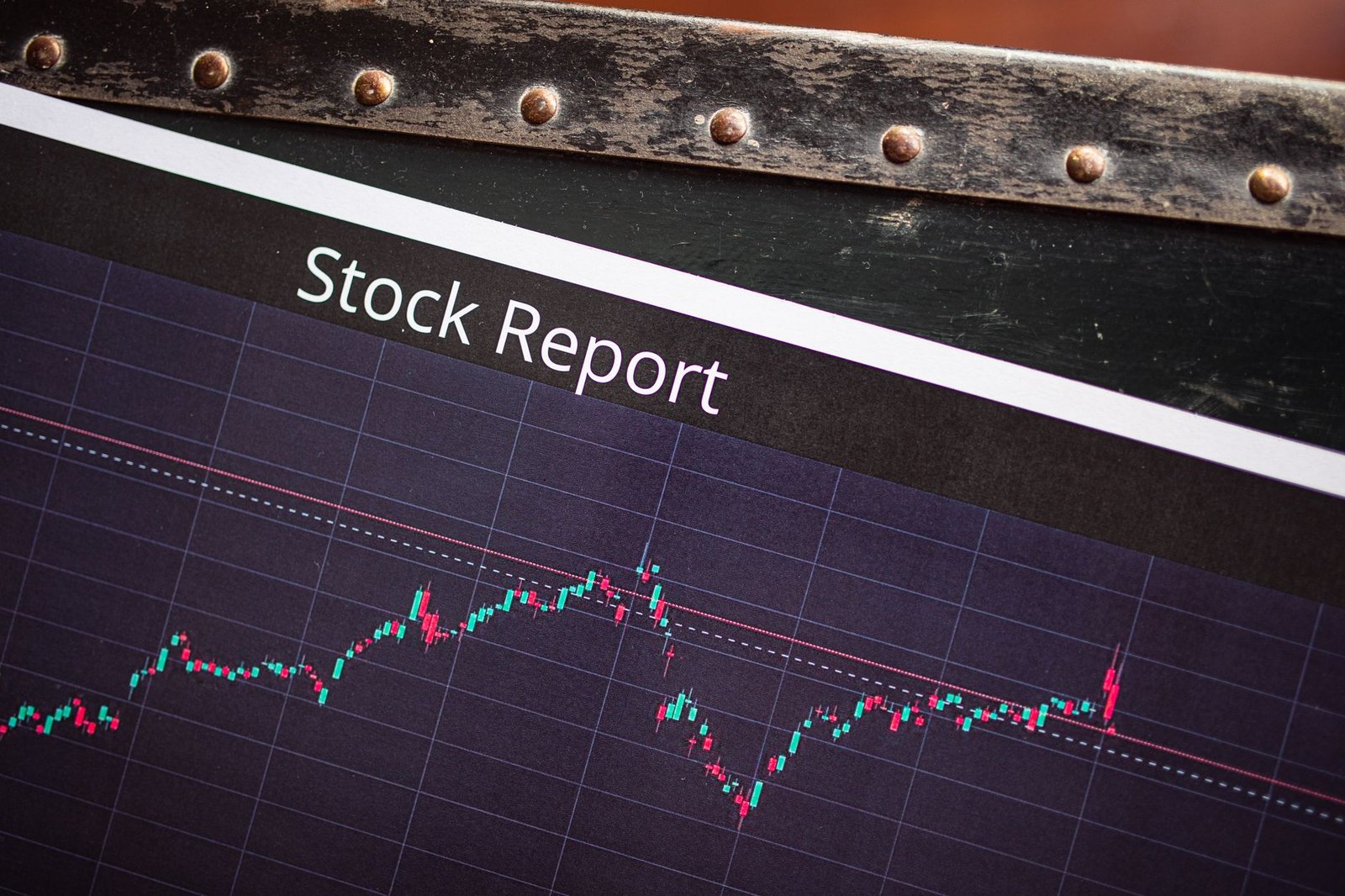
U.S. stocks performance is kicking off the new week on a divided note, with the tech sector weighing heavily on market sentiment. Investors are closely watching these developments.
Market Overview: Current Trends
As the new week begins, the U.S. stocks performance is under scrutiny, particularly within the tech sector, which has shown signs of weakness. Investors are closely monitoring the market dynamics as major indices react to mixed signals from economic indicators and corporate earnings reports.
The initial data suggests a divided opening, with some sectors experiencing gains while others, especially technology stocks, lag behind. Analysts are questioning whether this could be the worst week for tech in recent memory, as several tech giants have reported disappointing earnings, leading to a ripple effect across the market.
Key factors contributing to the current trends include:
- Interest Rate Concerns: Persistent inflation fears are prompting speculation about potential interest rate hikes, which could further impact tech valuations.
- Supply Chain Issues: Ongoing global supply chain disruptions continue to hinder production and delivery timelines for many tech companies.
- Market Sentiment: Investor sentiment appears cautious, with many seeking safer investment opportunities amid uncertainty.
As the week progresses, traders will be looking for signs of recovery or further declines in the tech sector, which could ultimately influence overall U.S. stocks performance. The outcome of this week could set the tone for the remainder of the month as investors reassess their strategies in light of the evolving market conditions.
Tech Sector Analysis
The U.S. stocks performance has come under scrutiny as the tech sector faces significant challenges this week. With major tech companies reporting disappointing earnings, investors are becoming increasingly cautious. Analysts are pointing to several key factors contributing to this downturn.
- Interest Rate Concerns: The Federal Reserve’s ongoing battle against inflation continues to raise concerns. Higher interest rates can lead to increased borrowing costs for tech companies, impacting their growth potential.
- Supply Chain Disruptions: Ongoing supply chain issues have severely affected production capabilities for many tech firms. Delays in hardware deliveries and rising costs are limiting their ability to meet consumer demand.
- Market Sentiment: Investor sentiment has shifted, with many questioning the high valuations of tech stocks. This has led to increased volatility, making it difficult for the sector to maintain stability.
- Global Economic Slowdown: Concerns about a potential global economic slowdown are weighing heavily on the tech sector. As economies around the world grapple with uncertainty, tech stocks are feeling the brunt of reduced consumer spending.
As the week progresses, the U.S. stocks performance will be closely monitored, particularly in the tech sector, to determine if this is indeed the worst week for tech or a temporary setback.
Impact of Economic Indicators
The recent performance of U.S. stocks has been heavily influenced by a variety of economic indicators, raising concerns about the tech sector’s stability. Analysts point to several key factors that have contributed to this week’s market fluctuations.
- Interest Rates: Rising interest rates have created a challenging environment for technology companies, which often rely on borrowing for growth. As the Federal Reserve continues to increase rates, investors are becoming more cautious about tech stocks.
- Inflation Data: Latest inflation reports have shown persistent price increases, leading to uncertainty in consumer spending. When consumers spend less, tech companies face potential declines in sales, further impacting U.S. stocks performance.
- Supply Chain Issues: Ongoing supply chain disruptions continue to hinder production across various sectors, particularly in technology. This has led to delays in product launches and increased costs, raising questions about future profitability.
As these economic indicators unfold, the market is reacting with heightened volatility, especially within the tech sector. Investors are keeping a close watch on upcoming economic reports, seeking clarity on whether the current trends will stabilize or if they will exacerbate the already challenging conditions facing U.S. stocks.
Investor Sentiment and Strategies
Investor sentiment regarding U.S. stocks performance has been notably affected by recent fluctuations in the tech sector. As the market begins the new week, many analysts are observing a cautious atmosphere among investors. This is largely due to concerns about the sustainability of growth within technology companies, particularly after a week of disappointing earnings reports and heightened inflation fears.
Furthermore, the divergence in performance between tech stocks and other sectors is prompting investors to reevaluate their strategies. Many are now considering a more diversified approach to mitigate risk. Here are some common strategies that investors are adopting:
- Diversification: Spreading investments across various sectors to reduce exposure to any single industry.
- Defensive Stock Picks: Focusing on companies that are less sensitive to economic downturns, such as utilities and consumer staples.
- Options Trading: Utilizing options to hedge against potential losses in tech stocks.
- Value Investing: Seeking undervalued stocks in the current environment that may provide better long-term returns.
As uncertainty lingers, investor sentiment will likely continue to sway the overall performance of U.S. stocks, with a keen eye on how tech companies navigate the challenges ahead.
Future Outlook for U.S. Stocks
As investors look ahead, the future outlook for U.S. stocks remains uncertain, particularly for the technology sector which has been facing significant headwinds. Analysts are closely monitoring several factors that could influence market performance in the coming weeks.
One of the primary concerns is the potential impact of rising interest rates. Higher rates could increase borrowing costs for companies and dampen consumer spending, which are critical drivers of growth in the tech sector. Moreover, inflationary pressures continue to create a challenging environment, forcing companies to reassess their strategies and operations.
In addition to economic indicators, investor sentiment plays a crucial role in shaping the future of U.S. stocks. Many investors are adopting a cautious approach, weighing the risks associated with a volatile market. Market analysts suggest that this sentiment could lead to increased volatility as traders react to news and earnings reports.
Furthermore, geopolitical tensions and trade policies could further complicate the landscape for U.S. stocks. As the tech sector is particularly sensitive to these issues, any escalation could lead to further declines in stock performance.
In conclusion, while the future outlook for U.S. stocks remains clouded by uncertainty, ongoing developments in the tech sector and broader economic conditions will be critical in determining market trajectories.
The recent dip in U.S. stocks performance has raised concerns among investors about the overall health of the tech sector. Analysts are closely monitoring the U.S. stocks performance to determine if this trend will continue or if a rebound is on the horizon.
Photo by RDNE Stock project on Pexels