
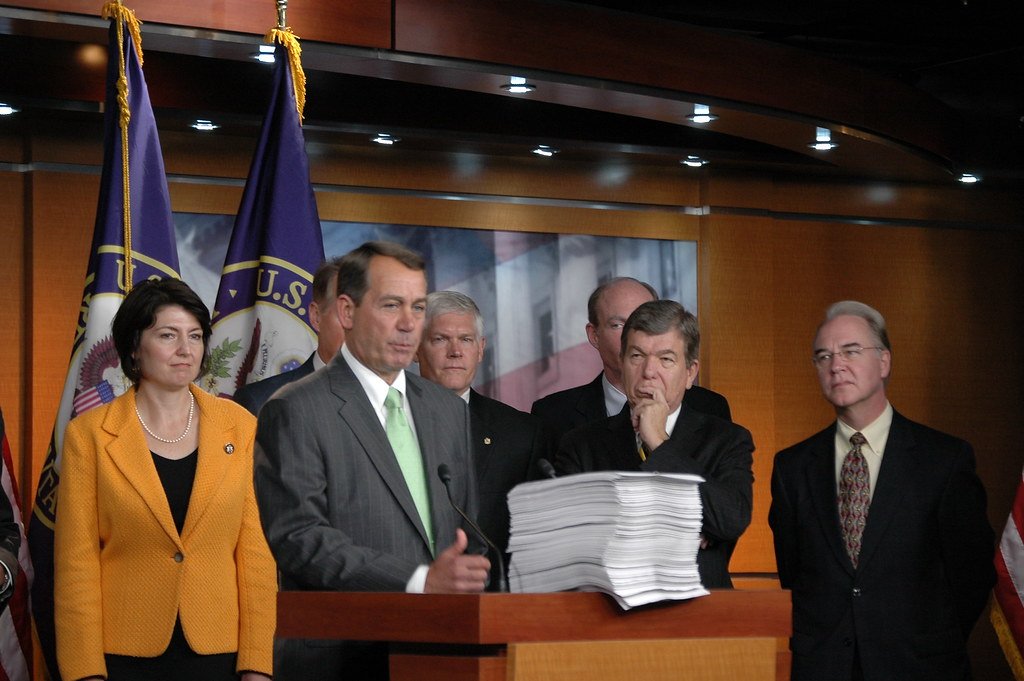
tax reform proposals are at the forefront as the IEA suggests a £75bn overhaul while Healey rejects a capital gains tax rise. This could reshape personal finance strategies.
Understanding the IEA’s Tax Reform Proposals
The Institute for Economic Affairs (IEA) has recently unveiled a comprehensive set of tax reform proposals aimed at stimulating economic growth and enhancing the fiscal landscape of the UK. With a suggested overhaul that could inject £75 billion into the economy, these proposals are designed to address long-standing inefficiencies within the current tax system.
One of the key aspects of the IEA’s plan is the reduction of taxes on income, which is anticipated to encourage higher earnings and increased spending among consumers. By lowering income tax rates, the IEA argues that individuals will have more disposable income, thereby driving consumer demand and spurring economic activity.
Additionally, the IEA’s proposals include significant reforms to corporate taxation, which could lead to greater investment in businesses and innovation. This approach is seen as crucial for bolstering the UK’s competitiveness on the global stage.
While some policymakers, including Chancellor Jeremy Hunt, have expressed skepticism about the feasibility of these measures, the IEA maintains that the long-term benefits of such tax reform proposals will far outweigh any short-term challenges. The organization emphasizes that a more efficient tax system is vital for fostering a sustainable economic environment that can adapt to future challenges.
Impact of Capital Gains Tax Rejection
The recent rejection of the proposed increase in capital gains tax has significant implications for the broader landscape of tax reform proposals. Economists and financial analysts are observing how this decision may influence investment behaviors and economic growth.
By maintaining the current capital gains tax rates, the government aims to encourage investment in various sectors. This move is expected to:
- Stimulate Economic Activity: Investors may feel more confident to allocate funds into startups and innovation, potentially leading to job creation.
- Attract Foreign Investment: A more favorable tax regime can make the country more appealing to international investors, enhancing overall capital inflow.
- Support Small Businesses: With lower tax burdens, small enterprises can reinvest profits into growth initiatives rather than paying higher taxes.
However, the rejection has also sparked debate among policymakers regarding revenue generation. Critics of the decision argue that without increasing capital gains taxes, funding for essential public services may be compromised. Balancing these concerns is crucial as the government assesses the viability of ongoing tax reform proposals.
In summary, the impact of the capital gains tax rejection could shape the future of the economy, influencing not just investors but the public sector as a whole.
What Does This Mean for Your Finances?
The recent tax reform proposals put forth by the Institute of Economic Affairs (IEA) are poised to have significant implications for individual finances across the country. As the government considers these measures, taxpayers may experience both immediate and long-term effects on their financial well-being.
Firstly, the proposed reforms aim to streamline the tax system, potentially leading to lower rates for individuals and businesses alike. This could result in increased disposable income for many households, allowing for greater spending on essential goods and services.
Moreover, with the rejection of the capital gains tax rise, investors may find renewed confidence in the market, encouraging more investments in businesses and innovation. This could foster a more dynamic economic environment, ultimately benefiting all taxpayers.
However, it is crucial for individuals to stay informed about how these tax reform proposals might affect their specific financial situations. Some key areas to consider include:
- Changes in tax brackets: Understanding if you will fall into a lower tax bracket can help you plan your finances more effectively.
- Investment opportunities: Assessing how the proposed reforms may influence your investment strategy can lead to better financial outcomes.
- Long-term planning: Evaluating the potential future implications of these reforms on retirement savings and long-term financial goals.
In summary, the IEA’s tax reform proposals could be a pivotal moment for many, shaping the financial landscape for years to come.
Expert Opinions on Tax Changes
As discussions surrounding tax reform proposals continue to evolve, experts are weighing in on the potential benefits and drawbacks of the IEA’s £75bn tax reform initiative. Many economists believe that such reforms could stimulate economic growth and enhance overall financial stability.
According to Dr. Jane Thompson, a leading economist at the Financial Institute, “The proposed tax reforms are a significant step towards revitalizing the economy. By lowering corporate tax rates and simplifying tax codes, we can encourage businesses to invest more in growth and innovation.”
However, not all experts are convinced. Professor Mark Robinson of the University of Economic Studies cautions that while tax reform proposals may lead to immediate benefits, they must be carefully evaluated. “Without a thorough understanding of the long-term effects, we risk creating a system that disproportionately benefits the wealthy at the expense of essential public services,” he states.
Additionally, there is concern about the potential impact on lower-income families. Emily Carter, a financial analyst, argues that “any reform must prioritize equity. It is crucial that we ensure tax changes do not exacerbate existing inequalities in our financial system.”
As the debate continues, it is clear that the ramifications of these tax reform proposals will be felt across various sectors of the economy, necessitating careful consideration by policymakers.
Historical Context of Tax Reforms in the UK
The historical context of tax reforms in the UK reveals a long-standing debate around taxation and its implications for economic growth. Over the years, various governments have introduced tax reform proposals aimed at stimulating the economy, redistributing wealth, and addressing fiscal deficits. Each reform has been met with a range of responses from the public, economists, and political figures.
One of the most significant periods of tax reform occurred in the 1980s under Prime Minister Margaret Thatcher, who implemented sweeping changes that reduced the top rates of income tax and aimed to encourage investment. The rationale behind these proposals was to create a more attractive environment for businesses, ultimately leading to job creation and economic expansion.
In the early 2000s, the focus shifted towards more progressive taxation, with an emphasis on increasing tax rates for higher earners and reducing the burden on lower-income households. This era witnessed the introduction of measures such as the introduction of the 50% tax rate for the highest earners, which sparked intense debate about fairness and economic efficiency.
More recently, the current proposals, such as those from the Institute of Economic Affairs (IEA), reflect a return to the principle of lower taxes as a means to foster growth. Understanding the historical context is essential to grasp the ongoing discussion surrounding tax reform proposals and their potential impact on the economy.
Future Predictions for Personal Finance
As discussions surrounding the recent tax reform proposals gain traction, experts are making predictions about their potential impact on personal finance in the coming years. With the proposed £75 billion reforms, individuals may see significant shifts in their financial planning strategies.
One major prediction is that the reforms could lead to enhanced savings rates among households. As disposable incomes rise due to lower tax burdens, families may find themselves with more financial flexibility. This could, in turn, foster a culture of saving and investing.
Additionally, the reform proposals are expected to stimulate economic growth by encouraging entrepreneurship. With a lighter tax load, small businesses may thrive, leading to job creation and increased consumer spending.
However, there are also concerns about the long-term sustainability of these reforms. Some financial analysts warn that while immediate benefits may be apparent, they could also lead to increased national debt if not managed properly.
To navigate the evolving landscape, individuals are advised to stay informed and adjust their financial strategies accordingly. The potential for tax reform to reshape personal finance is significant, and understanding these changes will be crucial for maximizing financial health in the future.
In summary, as the discussion around tax reform proposals continues, individuals must remain vigilant about their financial planning to leverage any advantages that may arise.
How to Prepare for Potential Tax Changes
As the conversation around tax reform proposals continues to unfold, it is crucial for individuals and businesses to prepare for potential changes that could impact their financial landscape. Understanding what these changes might entail can help mitigate risks and seize opportunities.
Here are some steps to consider when preparing for potential tax changes:
- Stay Informed: Keep up with news and updates regarding proposed tax reforms. Following reputable financial news sources and government announcements can provide insights into potential changes.
- Review Financial Plans: Examine your current financial situation, including income, investments, and expenditures. Identifying areas that may be affected by new tax regulations can help in making proactive adjustments.
- Consult Professionals: Engaging with financial advisors or tax professionals can offer tailored advice based on your specific circumstances. They can help interpret the implications of new proposals and recommend strategies to optimize your tax position.
- Consider Flexibility: Remain adaptable in your financial strategy. Allowing for adjustments in response to new tax laws can position you to take advantage of favorable changes or mitigate adverse effects.
By taking these steps, you can prepare for potential tax changes and ensure that your financial future remains as secure as possible amidst evolving policies.
By House GOP Leader via Openverse
Read the original
Demokratis.co.id · Tax reform proposal
Canadian Horse Racing Tax Breaks: A Smart Move for Growth · Menswear Startup Funding: Proven Success of The Pant Project · IRS Automatic Refunds: What’s the Best Way to Qualify?