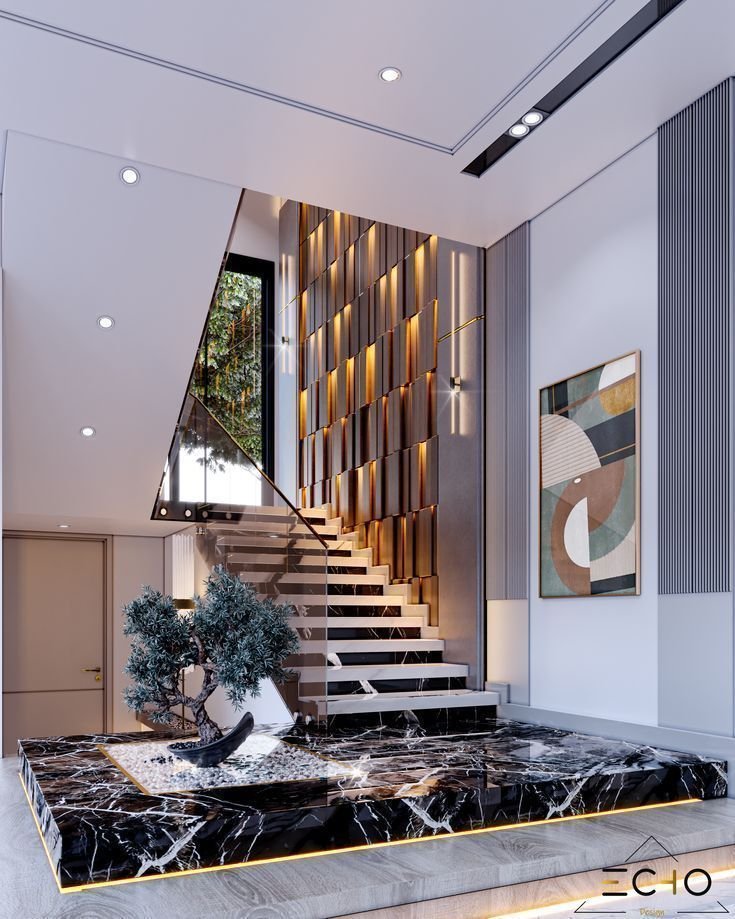
Looking to elevate your home’s aesthetic and functionality? Optimize your space with innovative staircase design. Enhance the visual appeal and create a seamless flow between levels by incorporating modern elements and creative solutions. Maximize efficiency with versatile layouts and materials, tailored to suit your style and space constraints. Discover how the right staircase design can transform your living environment, both in terms of practicality and visual impact. Let’s explore the endless possibilities that staircase design offers to elevate your home decor effortlessly.

The Art of Staircase Design: Adding Style and Functionality to Your Home
Welcome to the world of staircase design, where creativity meets functionality to elevate the aesthetic appeal of your home. Staircases are not just means to move from one floor to another; they can be focal points that showcase your unique style and personality. In this comprehensive guide, we’ll take a deep dive into the wonderful world of staircase design, exploring various styles, materials, and design considerations to help you create a stunning staircase that suits your space and needs.
Choosing the Right Staircase Style for Your Home
When it comes to staircase design, the first step is to choose a style that complements your home’s overall aesthetic. Whether you prefer a traditional, classic look or a modern, sleek design, there are plenty of options to consider.
Traditional Staircases
Traditional staircases are timeless and elegant, often featuring intricate details like carved balusters and ornate handrails. If you have a more classic home design, a traditional staircase can add a touch of sophistication and charm to your space.
Modern Staircases
On the other hand, modern staircases are all about clean lines and minimalist design. These staircases often use materials like glass, steel, and wood to create a sleek and contemporary look. If your home has a more modern aesthetic, a floating staircase or a spiral staircase could be the perfect choice.
Rustic Staircases
For those who love the warmth and charm of a rustic style, a wooden staircase with natural finishes and earthy tones can create a cozy and inviting atmosphere in your home. Rustic staircases are often complemented by wrought iron accents for a touch of old-world charm.
Materials Matter: Choosing the Right Staircase Materials
Once you’ve decided on a style, the next step in staircase design is selecting the right materials. The materials you choose can have a significant impact on the overall look and feel of your staircase, so it’s essential to consider both aesthetics and functionality.
Wood
Wood is a classic choice for staircases, offering warmth, versatility, and durability. Hardwoods like oak, maple, and cherry are popular options for traditional staircases, while softer woods like pine and hemlock are often used for more rustic designs.
Steel
Steel is a sleek and modern choice for staircases, providing a contemporary look that is both durable and low-maintenance. Steel staircases can be customized in various shapes and designs, making them a versatile option for modern home interiors.
Glass
Glass staircases are a popular choice for those looking to add a touch of elegance and sophistication to their space. The transparency of glass creates a sense of openness and lightness, making it ideal for smaller spaces where you want to maintain a sense of airiness.
Concrete
Concrete staircases are a bold and industrial choice that can add a unique touch to modern and minimalist interiors. With their durability and versatility, concrete stairs can be customized in various shapes and finishes to create a striking focal point in your home.
Design Considerations for a Functional and Safe Staircase
While aesthetics are essential in staircase design, it’s equally crucial to consider the functionality and safety of your staircase. Here are some key design considerations to keep in mind:
Size and Proportions
The size and proportions of your staircase should be carefully planned to ensure comfortable and safe navigation. The slope of the stairs, the width of the treads, and the height of the risers all play a crucial role in creating a staircase that is easy to use for everyone in your household.
Handrails and Balusters
Handrails and balusters are not just decorative elements; they are essential for providing support and preventing falls on the staircase. Make sure to choose sturdy materials and designs that meet safety standards while also complementing the overall aesthetic of your staircase.
Lighting
Proper lighting is vital for ensuring safety on the stairs, especially in dimly lit areas. Consider adding lighting fixtures along the staircase or incorporating natural light through windows or skylights to brighten up the space and improve visibility.
Storage Solutions
If space is limited in your home, consider incorporating storage solutions into your staircase design. Under-stair storage units, pull-out drawers, or built-in shelving can help maximize space efficiency while keeping your home organized and clutter-free.
Personalizing Your Staircase with Creative Touches
Once you’ve chosen a style, selected materials, and considered the functional aspects of your staircase design, it’s time to personalize it with creative touches that reflect your personality and style. Here are some ideas to add a unique flair to your staircase:
Gallery Wall
Create a gallery wall along your staircase with framed photos, artwork, or prints that tell a story and add visual interest to the space. Mix and match frames in different sizes and colors to create a dynamic and personalized display.
Accent Wall
Add a pop of color or texture to your staircase by creating an accent wall with wallpaper, paint, or textured materials. Choose a bold pattern or color that complements the overall color scheme of your home and adds a touch of drama to the space.
Runner or Carpet
Add warmth and comfort to your staircase with a stylish runner or carpet that not only enhances the visual appeal of the stairs but also provides a non-slip surface for added safety. Choose a pattern or color that ties in with your home’s décor for a cohesive look.
Planters or Greenery
Bring the outdoors inside by incorporating planters or greenery along your staircase. Hanging planters, potted plants, or a vertical garden can add a touch of nature and freshness to the space, creating a calming and inviting atmosphere.
In conclusion, staircase design is an essential aspect of home décor that can elevate the style and functionality of your living space. By choosing the right style, materials, and design considerations, you can create a staircase that not only serves its practical purpose but also makes a statement in your home. Whether you prefer a traditional, modern, or rustic look, there are endless possibilities to customize your staircase and turn it into a work of art that reflects your unique taste and personality.
Remember, a well-designed staircase is more than just a set of steps—it’s a focal point that can transform your home and leave a lasting impression on guests and family alike. So, get creative, explore different design options, and turn your staircase into a masterpiece that will be the envy of all who see it!
15+ Best Staircase Design Ideas for Small Space
Frequently Asked Questions
How can I determine the ideal staircase design for my home?
To determine the ideal staircase design for your home, consider the available space, the style of your home, and your personal preferences. Factors such as the amount of traffic, safety requirements, and budget should also be taken into account when choosing a suitable staircase design.
What are some popular staircase design options available?
Popular staircase design options include straight stairs, L-shaped stairs, U-shaped stairs, spiral stairs, and floating stairs. Each design has its unique characteristics, benefits, and considerations, so it’s essential to explore different options to find the best fit for your space.
How important is safety when it comes to staircase design?
Safety is paramount when designing a staircase. Factors such as the height of each step, the depth of the treads, the presence of handrails, and adequate lighting all play crucial roles in ensuring the safety of individuals using the stairs. It’s essential to adhere to building codes and safety standards when designing and constructing a staircase.
Final Thoughts
When it comes to creating a stunning interior, staircase design plays a crucial role. A well-designed staircase can elevate the overall aesthetic of a space, making it both functional and visually appealing. Whether you opt for a traditional spiral staircase or a modern floating design, the staircase should seamlessly blend with the rest of the interior. By carefully considering factors such as materials, style, and space constraints, you can create a staircase that not only connects different levels but also becomes a focal point of your home.