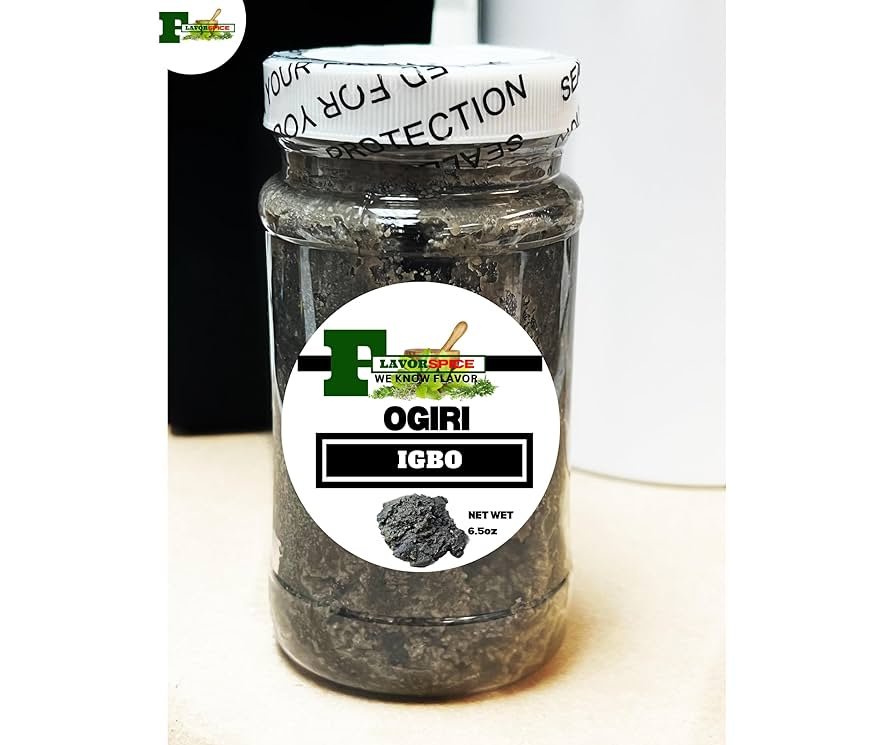
Savor the rich aroma of Nigerian cuisine with one simple ingredient: ogiri. This traditional fermented condiment adds depth and flavor to a wide range of dishes. Made from fermented oil seeds, ogiri embodies the essence of Nigerian culinary heritage. Delve into the world of ogiri as we explore its origins and versatile uses in cooking. Discover how this humble condiment can transform your meals into authentic Nigerian delights. Let’s take a flavorful journey with ogiri as our guide.

The Wonderful World of Ogiri: Exploring Nigeria’s Flavorful Secret
Welcome, fellow food explorers! Today, we are diving into the delightful world of ogiri, a hidden gem in Nigerian cuisine that adds a burst of flavor to dishes. If you’re curious about exotic ingredients and the magic they bring to the table, join me on this flavorful journey as we uncover the secrets behind ogiri and how it enhances the culinary experience.
What is Ogiri?
Ogiri is a traditional Nigerian condiment made from fermented oil seeds or nuts. It is commonly used in various Nigerian soups and stews to add a rich umami flavor and depth to the dishes. The process of making ogiri involves fermenting the seeds with salt and spices, resulting in a complex, savory ingredient that elevates the taste of any dish it’s added to.
The Art of Making Ogiri
Creating ogiri is a labor of love that requires patience and skill. The process starts with selecting the base ingredient, which can range from melon seeds to castor seeds, depending on the regional variation of ogiri. The seeds are cleaned, crushed, and then mixed with salt and other seasonings before being left to ferment for several days or even weeks.
During the fermentation process, the flavors of the seeds intensify, developing into a pungent, aromatic paste that is a staple in Nigerian cooking. The resulting ogiri can vary in texture, from a smooth, creamy consistency to a chunky paste, depending on personal preference and the type of seeds used.
Types of Ogiri
There are several types of ogiri found across Nigeria, each with its unique flavor profile and regional influence. Some of the most popular varieties include:
Igara Ogiri
Known for its earthy and nutty flavor, Igara ogiri is made from melon seeds and is a favorite in the southern regions of Nigeria. It adds a velvety richness to soups like banga and ofe akwu.
Ugba Ogiri
Ugba ogiri is made from African oil bean seeds and is widely used in the eastern part of Nigeria. It has a slightly bitter taste and a soft, mushy texture that complements dishes like abacha and ugba salad.
Okpei Ogiri
Originating from the western regions of Nigeria, okpei ogiri is made from locust beans and has a strong, funky aroma that adds depth to soups like ewedu and gbegiri.
Health Benefits of Ogiri
Aside from its delicious taste, ogiri also offers several health benefits. The fermentation process involved in making ogiri enhances the bioavailability of nutrients in the seeds, making them easier to digest and absorb. Additionally, ogiri is a good source of protein, healthy fats, and probiotics, which are beneficial for gut health.
Studies have shown that the probiotics present in fermented foods like ogiri can help improve digestion, boost the immune system, and promote overall well-being. So, not only does ogiri make your food taste better, but it also contributes to your health in more ways than one.
How to Use Ogiri in Cooking
Now that you’re familiar with the wonders of ogiri, it’s time to explore how you can incorporate this flavorful ingredient into your cooking. Here are some tips on how to use ogiri effectively:
1. Start Small
Ogiri is a potent ingredient, so a little goes a long way. Begin with a small amount and gradually adjust to suit your taste preferences.
2. Add at the Right Time
To fully enhance the flavors of ogiri, add it to your dish towards the end of the cooking process. This allows the aromas to meld with the other ingredients without losing their intensity.
3. Pairing with Ingredients
Ogiri pairs well with ingredients like palm oil, smoked fish, and leafy greens. Experiment with different combinations to discover new flavor profiles and tantalize your taste buds.
As we conclude our culinary journey into the world of ogiri, I hope you’ve gained a newfound appreciation for this magical ingredient that adds depth and character to Nigerian cuisine. Whether you’re a seasoned chef or a curious food enthusiast, ogiri is a versatile condiment that can elevate your dishes to new heights of flavor.
So, the next time you’re in the kitchen, don’t hesitate to reach for a jar of ogiri and let its savory essence transport you to the vibrant and colorful culinary landscape of Nigeria. Embrace the flavors, savor the experiences, and keep exploring the endless possibilities that ogiri brings to your table!
Thank you for joining me on this flavorful adventure. Until next time, happy cooking!
How To Make Ogiri Fermented Sesame Seeds| My Thirty-Eighth Video | Dada's FoodCrave Kitchen
Frequently Asked Questions
What is ogiri made of?
Ogiri is a traditional Nigerian condiment made from fermented oilseeds such as sesame seeds, melon seeds, or locust beans. These seeds are mashed, fermented, and then shaped into small balls or blocks for use in cooking.
How is ogiri used in Nigerian cuisine?
Ogiri is used as a flavor enhancer in traditional Nigerian dishes, adding a unique and savory taste. It is commonly added to soups, stews, and sauces to impart a rich umami flavor to the dish.
Is ogiri similar to other fermented condiments?
While ogiri shares similarities with other fermented condiments like miso or soy sauce in terms of flavor enhancement, its ingredients and preparation methods differ. Ogiri has a distinct aroma and taste that sets it apart from other fermented products.
Final Thoughts
In conclusion, ogiri stands out as a staple ingredient in Nigerian cuisine, adding depth and richness to dishes. Its strong aroma and unique flavor profile make it a versatile addition to soups, stews, and sauces. When used in moderation, ogiri can elevate the taste of a variety of traditional dishes. Embracing ogiri in your cooking ventures will surely enhance the authenticity and deliciousness of Nigerian cuisine. Incorporating this traditional condiment into your culinary repertoire will allow you to experience the true essence of Nigerian flavors.