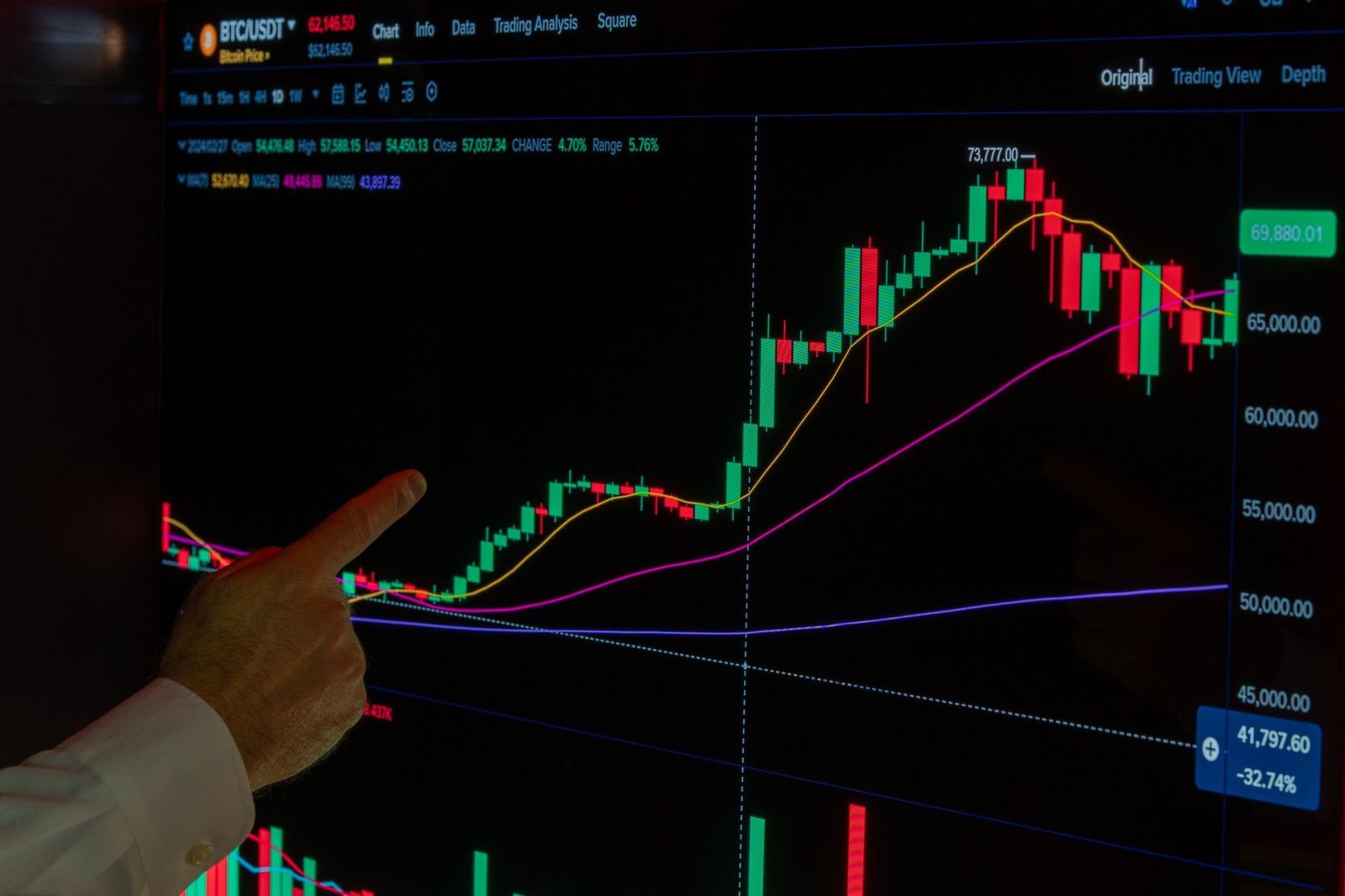
Bitcoin ETF demand is showing signs of weakness, impacting the cryptocurrency’s ability to break higher. As market dynamics shift, investors are left wondering about the future trajectory of Bitcoin.
Understanding Bitcoin ETF Demand
The landscape of cryptocurrency investment has shifted dramatically in recent years, with Bitcoin ETF demand emerging as a significant factor influencing market dynamics. As more investors seek exposure to Bitcoin through regulated financial products, the interest in exchange-traded funds (ETFs) has surged. However, recent trends indicate a concerning decline in this demand, which may have profound implications for the overall market recovery.
Several factors contribute to the fluctuating demand for Bitcoin ETFs:
- Regulatory Challenges: The evolving regulatory environment poses obstacles for potential investors, creating uncertainty around the approval of new Bitcoin ETFs.
- Market Sentiment: Negative sentiment surrounding cryptocurrencies may deter investors, leading to a decrease in ETF purchases.
- Alternative Investment Options: With the rise of decentralized finance (DeFi) and other crypto assets, some investors may prefer alternative avenues over traditional ETFs.
As Bitcoin ETF demand wanes, market analysts caution that this trend could signify deeper issues within the cryptocurrency space. A lack of robust institutional interest may hinder the asset’s ability to break through key resistance levels. Moreover, if the current trajectory continues, it could lead to a prolonged period of stagnation for Bitcoin prices, complicating efforts for recovery.
Current Market Analysis
The current market analysis reveals concerning trends that could hinder potential recovery in the cryptocurrency space. Bitcoin, the leading digital asset, has been struggling to make significant gains, primarily due to a noticeable decline in Bitcoin ETF demand. Analysts have pointed out that this weakening interest in exchange-traded funds linked to Bitcoin might signal larger issues in market confidence.
Recent data indicates that even with a surge in trading volume, Bitcoin’s price remains stagnant, failing to break critical resistance levels. This stagnation raises alarms among investors who have been hoping for a bullish reversal. The sentiment around Bitcoin is increasingly cautious, as many traders are refraining from substantial positions given the current economic environment.
Several factors contribute to the declining interest in Bitcoin ETFs:
- Regulatory Uncertainty: Ongoing scrutiny from regulators has left potential investors uncertain about the viability of Bitcoin ETFs.
- Market Volatility: The unpredictable nature of cryptocurrency prices has discouraged many traditional investors.
- Alternative Investments: With other asset classes showing more promise, many have redirected their funds away from Bitcoin.
As the demand for Bitcoin ETFs wanes, market analysts are left pondering the implications for the future trajectory of Bitcoin and its ability to recover from the current downturn.
Impact of ETF on Bitcoin Prices
The recent decline in Bitcoin prices has raised concerns about the impact of Bitcoin ETF demand on the overall market. With the anticipated approval of several Bitcoin ETFs, many investors initially believed this would lead to a surge in prices. However, the reality has been quite different as market sentiment shifts.
As interest in Bitcoin ETFs wanes, analysts are observing several critical factors influencing the cryptocurrency market:
- Regulatory Uncertainty: Ongoing discussions around regulations for cryptocurrency assets have caused hesitation among potential investors, leading to reduced demand for Bitcoin ETFs.
- Market Sentiment: Negative news surrounding Bitcoin and other cryptocurrencies has shifted investor sentiment, impacting overall trading volumes and interest in ETFs.
- Competition from Altcoins: With alternative cryptocurrencies gaining traction, Bitcoin’s dominance may be challenged, making ETFs less attractive to a broader base of investors.
- Global Economic Factors: Economic instability and rising interest rates have prompted investors to reconsider their risk exposure, further dampening demand for Bitcoin-related investment products.
These factors collectively highlight the perilous state of Bitcoin ETF demand and its potential implications for Bitcoin prices moving forward. Without significant shifts in market dynamics, the road to recovery for Bitcoin may be longer than initially anticipated.
Expert Opinions on Bitcoin’s Future
Experts have weighed in on the current state of the cryptocurrency market, particularly in light of the declining Bitcoin ETF demand. Analysts suggest that the weakening interest in Bitcoin ETFs could signal broader challenges for the digital asset’s recovery.
According to Dr. Emily Carter, a financial analyst at Crypto Insights, “The reduced demand for Bitcoin ETFs indicates a lack of confidence among investors. This could stall any potential recovery in the market.” She emphasizes that without significant institutional backing, Bitcoin may struggle to regain its previous highs.
Furthermore, Mark Thompson, an economist specializing in cryptocurrency trends, notes: “The relationship between ETFs and Bitcoin prices is complex. As ETF demand decreases, we may see increased volatility in Bitcoin’s price, making it less attractive to long-term investors.”
Market sentiment appears to be shifting, with many investors opting for alternative assets. A recent survey by Crypto Trends revealed that nearly 60% of participants are hesitant to invest in Bitcoin due to the current market instability, further affecting Bitcoin ETF demand.
As the landscape continues to evolve, experts urge caution. “Investors should remain vigilant and consider diversifying their portfolios rather than relying solely on Bitcoin,” adds Dr. Carter, highlighting the importance of a balanced investment strategy in these uncertain times.
Comparing Bitcoin with Other Cryptos
As Bitcoin ETF demand continues to fluctuate, it’s essential to compare Bitcoin’s performance with that of other cryptocurrencies in the market. While Bitcoin remains the dominant player, several alternative cryptocurrencies are showing resilience and growth potential.
One of the most notable competitors is Ethereum, which has consistently held its ground due to its robust smart contract capabilities and expanding decentralized finance (DeFi) ecosystem. Ethereum’s recent upgrades, aimed at improving scalability and reducing transaction fees, have attracted considerable interest, drawing attention away from Bitcoin.
Additionally, Solana has emerged as a strong contender, boasting high-speed transactions and lower fees. Its unique consensus mechanism has led to increased adoption, particularly in the NFT space, making it an appealing option for investors looking for alternatives to Bitcoin.
Moreover, Cardano and Ripple have also gained traction, each with unique features that cater to specific market needs. Cardano’s focus on sustainability and Ripple’s cross-border payment solutions are resonating with users and investors alike.
While Bitcoin ETF demand is a significant factor influencing market trends, the performance of these alternative cryptocurrencies highlights the evolving landscape. As investors diversify their portfolios, the competitive pressure on Bitcoin may increase, raising questions about its future dominance in the crypto space.
Historical Trends in Bitcoin ETF Demand
Historically, the demand for Bitcoin ETFs has been a significant indicator of market sentiment and investor confidence. Over the past few years, as cryptocurrencies gained traction, interest in Bitcoin ETFs surged. This was largely driven by the desire for regulated investment vehicles that could provide exposure to Bitcoin without necessitating direct ownership of the cryptocurrency.
In 2021, the approval of the first Bitcoin futures ETF in the United States marked a pivotal moment, leading to heightened optimism and substantial inflows into Bitcoin-related investment products. Investors were eager to embrace this new avenue, and the demand for Bitcoin ETFs peaked, reflecting a bullish outlook on the cryptocurrency’s future.
However, as the market matured and faced various challenges, including regulatory scrutiny and macroeconomic factors, the enthusiasm surrounding Bitcoin ETF demand began to wane. Recent reports indicate a notable decline in interest, with many potential investors adopting a more cautious stance. This shift may signal a broader hesitation regarding Bitcoin’s long-term viability.
As the market grapples with these shifts, analysts are closely monitoring the implications of fading Bitcoin ETF demand. The trend could serve as a barometer for future price movements, influencing not only Bitcoin but the wider cryptocurrency market as well. Understanding these historical trends is crucial for investors navigating the current landscape.
What Investors Should Watch Next
As the cryptocurrency market navigates turbulent waters, investors should keep a close eye on several key indicators that may influence the future of Bitcoin and the overall market recovery. The recent decline in Bitcoin ETF demand poses significant questions about the appetite for institutional investment in cryptocurrencies.
Here are a few points to consider:
- Regulatory Developments: Stay updated on any regulatory changes regarding Bitcoin ETFs. New approvals or restrictions can greatly impact investor confidence and market dynamics.
- Market Sentiment: Monitor social media and news outlets for shifts in public sentiment towards Bitcoin and cryptocurrencies in general. Positive or negative narratives can quickly sway market trends.
- Trading Volumes: High trading volumes typically signal interest from traders and investors. A decline in trading volumes could indicate waning enthusiasm, which correlates with the current weakness in Bitcoin ETF demand.
- Macro-Economic Factors: Keep an eye on broader economic indicators such as inflation rates and interest rates, which can indirectly affect cryptocurrency investments.
- Technological Developments: Innovations in blockchain technology and enhancements in Bitcoin’s infrastructure may renew interest among investors and lead to a resurgence in ETF demand.
By staying informed on these factors, investors can better position themselves in a market that remains unpredictable yet full of potential.
Photo by Rafael Minguet Delgado on Pexels