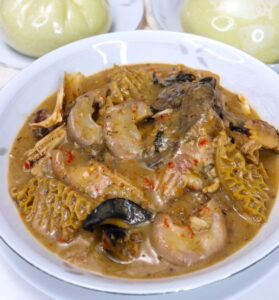
Akume, a traditional Nigerian dish enjoyed by many, is a delicious blend of yam, plantains, and peppers. The rich flavors and unique texture of akume make it a beloved staple in Nigerian cuisine. Made with care and tradition, each bite of akume transports you to the heart of West Africa. Join me on a journey to uncover the secrets and delights of this comforting dish. Let’s delve into the world of akume and experience its warmth and flavors firsthand.

Exploring the Delicious World of Akume
Welcome, food enthusiasts! Today, we’re diving deep into the fascinating world of Akume. Akume, also known as “fufu” in other parts of Africa, is a staple food that has been enjoyed for generations in Nigeria and other West African countries. Join me on this culinary journey as we uncover the secrets, flavors, and cultural significance of this beloved dish.
The Origins of Akume
Akume has a rich history that dates back centuries. It is believed to have originated among the Yoruba people in Nigeria and has since spread to other parts of West Africa. The process of making Akume involves pounding cassava or yam tubers to create a smooth, dough-like consistency that is then cooked into a fluffy, starchy ball. This method of preparation has been passed down through generations, making Akume not just a meal but a symbol of tradition and heritage.
The Ingredients
One of the key ingredients in Akume is cassava, a root vegetable that is widely grown in Nigeria. Cassava is known for its high carbohydrate content, making it a filling and energy-rich food source. In addition to cassava, some variations of Akume may also include yam or plantains, adding a unique twist to the dish. The simplicity of the ingredients used in Akume highlights the focus on natural, unprocessed foods that are both nutritious and delicious.
Cassava: The Heart of Akume
Cassava is the star of the show when it comes to Akume. This versatile root vegetable is not only a staple in Nigerian cuisine but also a vital source of nutrients. Cassava is rich in carbohydrates, fiber, and essential minerals like potassium and vitamin C. Its mild flavor and starchy texture make it the perfect base for Akume, lending a soft and chewy consistency that pairs well with various soups and stews.
Yam and Plantains: Flavorful Variations
While cassava is the traditional main ingredient in Akume, some regions in Nigeria and other West African countries use yam or plantains to create their own unique versions of the dish. Yam adds a denser texture and a slightly sweet flavor to Akume, while plantains bring a hint of sweetness and a golden color to the dish. These variations showcase the diversity and creativity in West African cuisine, offering a range of flavors to suit different preferences.
The Art of Making Akume
The process of making Akume is both simple and labor-intensive, requiring patience and precision to achieve the perfect consistency. The first step involves peeling and washing the cassava or yam tubers before pounding them into a smooth paste using a mortar and pestle or a modern-day food processor. The pounded dough is then transferred to a pot and cooked over low heat, stirring continuously to prevent lumps from forming. This careful cooking process ensures that the Akume reaches the desired smooth and fluffy texture that is characteristic of this dish.
Pounding the Tubers
Pounding the cassava or yam tubers is a crucial step in the making of Akume. Traditionally, this was done using a wooden mortar and pestle, requiring physical strength and skill to achieve a smooth consistency. Today, some households use electric food processors to speed up the process, but the traditional method is still preferred by many for its authenticity and the unique texture it imparts to the Akume.
Cooking the Akume
Once the dough is pounded to perfection, it is time to cook the Akume. The dough is transferred to a pot of boiling water and cooked until it thickens and forms a cohesive ball. Stirring is essential during this process to prevent the Akume from sticking to the pot or forming lumps. The end result is a smooth, soft ball of Akume that is ready to be served with a variety of soups and stews.
The Cultural Significance of AkumeAkume holds a special place in the hearts of many West Africans, not just as a meal but as a symbol of culture and identity. In Nigerian households, Akume is often served during special occasions and celebrations, bringing families and communities together around a shared love for traditional cuisine. The act of preparing Akume is seen as a labor of love, with each step of the process imbued with meaning and tradition.
Akume in Celebrations
Whether it’s a wedding, a festival, or a family gathering, Akume is a must-have dish on the menu. The communal aspect of sharing Akume with loved ones fosters a sense of unity and togetherness, reinforcing the bonds that tie families and communities together. The flavors of Akume served with flavorful soups and stews create a sensory experience that goes beyond just satisfying hunger, evoking memories of past celebrations and creating new ones to cherish.
Akume as a Cultural Heritage
As a dish that has been passed down through generations, Akume represents the cultural heritage and traditions of West Africa. The knowledge and skills required to make Akume are often taught from parent to child, preserving the authenticity and artistry of this ancient culinary practice. By honoring and celebrating Akume, communities pay homage to their roots and keep alive the stories and customs that make their culture unique.
Health Benefits of Akume
Akume isn’t just delicious—it’s also nutritious. The main ingredient, cassava, offers a range of health benefits that make Akume a wholesome choice for a balanced diet. From providing essential nutrients to promoting digestive health, Akume has much to offer in terms of overall well-being.
Nutrient-Rich Cassava
Cassava is a good source of carbohydrates, which are the body’s primary source of energy. In addition to fueling the body, cassava also contains fiber, which aids in digestion and helps maintain a healthy gut. The presence of essential minerals like potassium and vitamin C further enhances the nutritional value of Akume, making it a well-rounded meal option for those looking to boost their nutrient intake.
Dietary Considerations
For individuals following specific dietary requirements, Akume can be a versatile choice. Its gluten-free nature makes it suitable for those with gluten sensitivities or celiac disease, offering a safe and delicious alternative to wheat-based foods. Akume can also be paired with a variety of soups and stews, allowing for customization based on dietary preferences and restrictions, making it a versatile and inclusive dish for all to enjoy.
Exploring the Flavors of Akume
One of the most exciting aspects of Akume is its versatility in pairing with different soups and stews, creating a myriad of flavor combinations to tantalize your taste buds. From spicy pepper soups to hearty vegetable stews, Akume adapts to a wide range of flavors, making it a beloved staple in West African cuisine.
Pepper Soups and Akume
Pepper soups are a popular accompaniment to Akume, offering a spicy and aromatic contrast to the mildness of the dough. Made with a blend of herbs, spices, and protein such as fish or meat, pepper soups add depth and complexity to the overall dining experience. The heat from the peppers combined with the soft, chewy Akume creates a harmonious balance of flavors that is both comforting and invigorating.
Vegetable Stews and Akume
For those seeking a lighter option, vegetable stews are a perfect match for Akume. Packed with an assortment of fresh vegetables, herbs, and spices, vegetable stews provide a burst of flavors and textures that complement the simplicity of the Akume. The hearty combination of soft Akume with savory vegetable stews makes for a satisfying and nutritious meal that is sure to please the palate.
Conclusion: Embracing the Tradition of Akume
As we come to the end of our exploration into the world of Akume, it’s clear that this simple yet flavorful dish holds a special place in West African cuisine and culture. From its humble origins to its modern-day adaptations, Akume continues to bring people together, celebrate traditions, and nourish both body and soul. Whether enjoyed during a festive gathering or a quiet family meal, Akume represents the heart and soul of a rich culinary heritage that has stood the test of time.
So, the next time you sit down to a steaming bowl of Akume, take a moment to appreciate the craftsmanship, the history, and the love that go into every bite. Let the flavors transport you to a place where tradition meets innovation, and where the simple act of sharing a meal becomes a celebration of life itself. Akume is more than just a dish—it’s a legacy, a connection to the past, and a promise of a flavorful future.
AKUME & OTHERS EULOGISE BOSS MUSTAPHA
Frequently Asked Questions
What is the meaning of the term “akume”?
Akume is a traditional hair accessory commonly worn by women in Nigeria. It is a type of headpiece that is intricately designed and can be made from various materials such as beads, shells, or metals.
How is “akume” worn?
Akume is typically worn as a crown-like adornment on the head, often positioned at the front or on the side. It is secured to the hair using pins or combs, depending on the design and weight of the accessory.
What occasions are suitable for wearing an “akume”?
Akume is commonly worn on special occasions such as weddings, festivals, or cultural events in Nigeria. It is considered a symbol of beauty, tradition, and cultural heritage, making it a perfect accessory for celebratory events.
Final Thoughts
In conclusion, akume is a traditional Nigerian dish that holds cultural significance and delicious flavor. Its simple ingredients and preparation make it a popular choice for both everyday meals and special occasions. Including akume in your diet can provide a taste of Nigerian cuisine and a connection to its rich culinary heritage. So, next time you’re looking for a comforting and authentic dish to try, consider preparing akume and savoring its unique and savory taste.