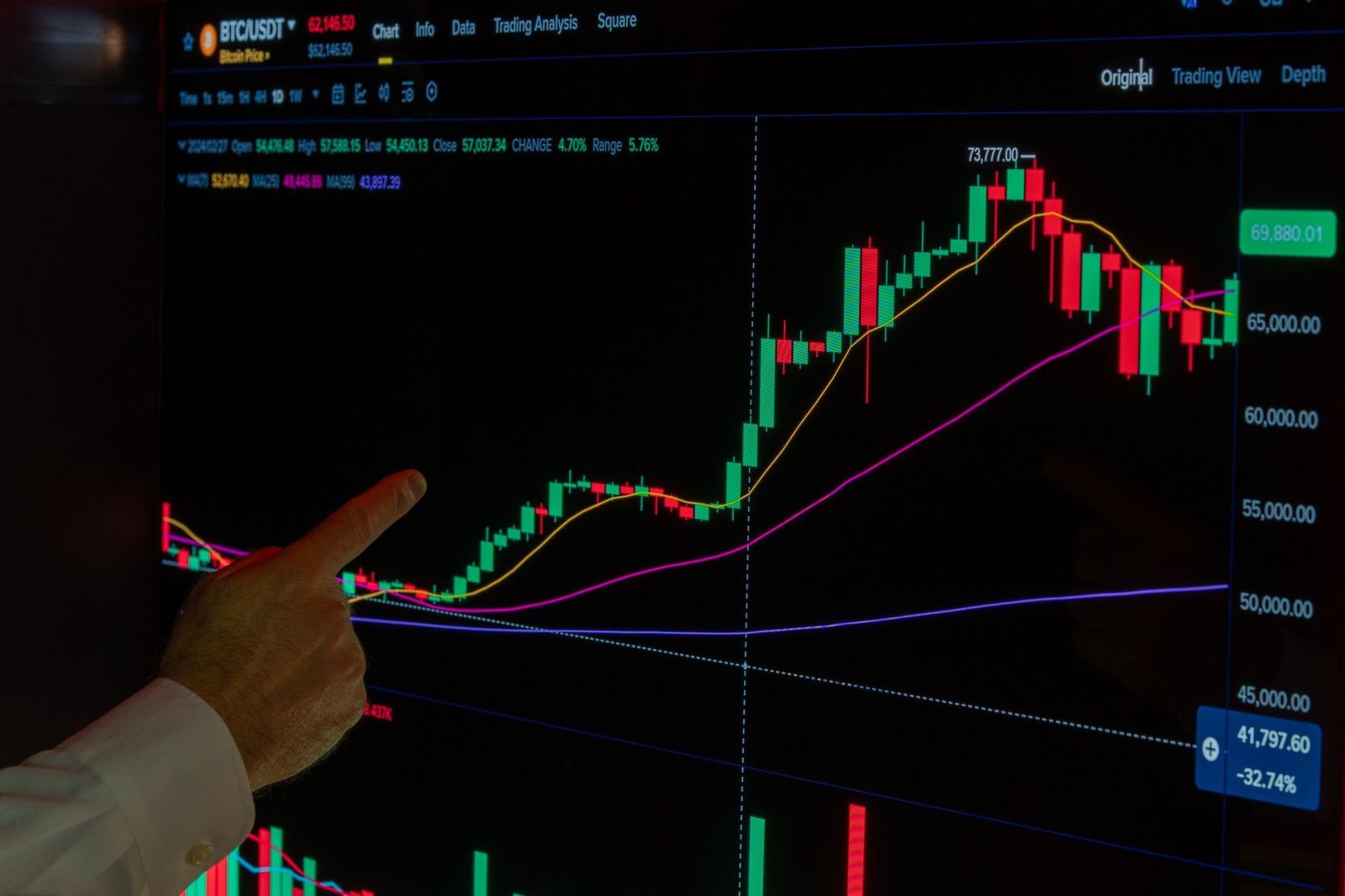
Ethereum ETFs performance has been notably poor, losing more money than Bitcoin ETFs last week. This shift raises questions about the current state of the crypto market.
Understanding Ethereum ETFs
Ethereum exchange-traded funds (ETFs) have gained significant attention as investors look for ways to gain exposure to the cryptocurrency market. These financial instruments allow individuals to invest in Ethereum without directly purchasing the digital asset. However, recent reports indicate that Ethereum ETFs performance has raised concerns among investors.
Last week marked a challenging period for Ethereum ETFs, which reportedly lost more money than their Bitcoin counterparts. This decline in value can be attributed to several factors:
- Market Volatility: The cryptocurrency market is known for its erratic price swings, and Ethereum has not been immune to this trend.
- Regulatory Concerns: Ongoing discussions regarding regulatory frameworks for cryptocurrencies can create uncertainty, impacting investor confidence.
- Technological Factors: Developments within the Ethereum network, including upgrades and changes, can affect its overall performance.
For investors, understanding the dynamics at play in the Ethereum ETF market is crucial. As the performance of these funds continues to fluctuate, it is essential to keep an eye on both market trends and external factors that may influence future outcomes.
Comparing Ethereum and Bitcoin ETFs
As the cryptocurrency market continues to evolve, investors are closely monitoring the performance of Ethereum ETFs in comparison to Bitcoin ETFs. Last week marked a significant downturn for both asset classes, but Ethereum ETFs faced a harsher reality.
Market analysts observed that:
- Performance Discrepancy: Ethereum ETFs recorded a sharper decline, losing more than their Bitcoin counterparts.
- Market Sentiment: The overall sentiment around Ethereum has been more volatile, influenced by recent regulatory discussions and technological updates.
- Investor Behavior: Many investors are beginning to reassess their positions, with some opting to shift from Ethereum to Bitcoin ETFs for perceived stability.
Despite the downturn, experts remain divided on the long-term implications. Some believe that the challenging performance of Ethereum ETFs could be temporary, citing the asset’s strong fundamentals and potential use cases. Others, however, express concerns about the sustainability of Ethereum’s growth, particularly in the face of increasing competition and market saturation.
In conclusion, while Ethereum ETFs performance has taken a hit recently, the future remains uncertain as investors weigh their options amid this turbulent landscape.
Recent Market Trends
In recent days, the performance of Ethereum ETFs has sparked concern among investors as they experienced significant declines. This downturn marks what some analysts are calling the worst week for investors in the sector. A variety of factors have contributed to this unsettling trend.
First, market volatility has taken a toll on cryptocurrencies, particularly Ethereum. As the broader financial landscape remains uncertain, investor confidence has wavered, leading to increased selling pressure on Ethereum ETFs.
Additionally, regulatory scrutiny surrounding digital assets has intensified, creating a challenging environment for these investment vehicles. Many investors are reassessing their positions in light of potential changes to regulations affecting Ethereum and other cryptocurrencies.
Analysts have pointed out that Ethereum ETFs have lost more money than their Bitcoin counterparts in the past week, highlighting the struggles specific to this market. The disparity in performance raises questions about the future of Ethereum ETFs and their appeal to investors.
As the situation unfolds, many are closely monitoring market trends and potential recovery signs. The ongoing performance of Ethereum ETFs will be critical for investors looking to navigate this turbulent landscape.
Investor Reactions to ETF Losses
Investors have expressed significant concerns following the recent losses in Ethereum ETFs, which faced a sharper decline compared to Bitcoin ETFs last week. This downturn has prompted a wave of reactions from both seasoned investors and newcomers alike.
Many investors took to social media to voice their frustrations, with some highlighting the volatility inherent in cryptocurrency investments. The sentiment among retail investors has been particularly negative, as losses in Ethereum ETFs have exceeded expectations. Some comments included:
- “I didn’t expect such a drastic drop; it feels like a rollercoaster ride!”
- “Ethereum ETFs performance has been disappointing, and I’m starting to question my investment strategy.”
- “I thought Ethereum was a safer bet than Bitcoin, but this week proved otherwise.”
Institutional investors are also reassessing their positions, with some analysts suggesting that the current performance of Ethereum ETFs may lead to a reevaluation of risk management strategies in the crypto space. As the market continues to fluctuate, many are left wondering how these losses will affect long-term investment plans and the overall perception of Ethereum as a viable investment.
Predictions for Ethereum ETFs
As the dust settles from a tumultuous week for Ethereum ETFs, analysts are closely monitoring potential future trends and their implications for investors. The recent losses suffered by Ethereum ETFs have raised concerns among market participants, prompting many to reassess their positions.
Several experts predict that the performance of Ethereum ETFs may stabilize in the coming weeks. They emphasize that the current downturn is not solely indicative of Ethereum’s long-term prospects. Factors influencing the market include:
- Regulatory developments: Changes in legislation could significantly impact cryptocurrency markets, potentially benefiting Ethereum ETFs.
- Market sentiment: Investor confidence appears shaken, but a rebound in sentiment could lead to a renewed interest in Ethereum ETFs.
- Technological advancements: Ongoing upgrades and improvements to the Ethereum network may enhance its appeal and performance in the ETF space.
Moreover, some analysts suggest that the worst week for investors in Ethereum ETFs might prompt a shift in investment strategies. By diversifying portfolios and focusing on long-term potential rather than short-term volatility, investors may find opportunities amidst the recent downturn.
Ultimately, the performance of Ethereum ETFs will depend on a complex interplay of these factors, and investors are urged to stay informed as the market evolves.
Historical Performance Analysis
The recent downturn in the cryptocurrency market has raised concerns among investors regarding the performance of Ethereum ETFs. Historical performance analysis indicates that Ethereum ETFs have often mirrored the volatility of the underlying asset, ETH. Over the past few years, the correlation between Ethereum and its ETF counterparts has resulted in both significant gains and sharp losses.
In comparison to Bitcoin ETFs, which have shown resilience during downturns, Ethereum ETFs have faced a steeper decline. Here are some notable trends from the historical data:
- Initial Launch Performance: Ethereum ETFs initially saw a surge in value, closely following the 2021 crypto market boom.
- Volatility Patterns: Historical data reveals that Ethereum has exhibited more pronounced fluctuations than Bitcoin, contributing to the performance woes of its ETFs.
- Investor Sentiment: The enthusiasm for Ethereum ETFs often ebbed and flowed with major technological updates, such as the transition to Ethereum 2.0.
- Regulatory Impact: Regulatory announcements have historically impacted Ethereum ETFs more dramatically than those of Bitcoin, affecting investor confidence.
As the market continues to evolve, understanding the historical performance analysis of Ethereum ETFs will be essential for investors navigating these turbulent waters.
Factors Influencing ETF Performance
The recent underperformance of Ethereum ETFs can be attributed to several key factors that have influenced their market dynamics. Understanding these elements is crucial for investors looking to navigate this challenging landscape.
- Market Volatility: The cryptocurrency market is known for its high volatility, and Ethereum has faced significant fluctuations recently. This instability has made investors wary, leading to reduced demand for Ethereum ETFs.
- Regulatory Scrutiny: Increased regulatory attention on the cryptocurrency sector has impacted investor confidence. Uncertainty regarding future regulations can deter potential investors from entering the market, thus affecting ETF performance.
- Comparison with Bitcoin: As Bitcoin remains the more established cryptocurrency, Ethereum often finds itself overshadowed. The recent losses experienced by Ethereum ETFs, which have been greater than those of Bitcoin ETFs, highlight the perception gap between the two.
- Technological Developments: Ongoing upgrades and changes to the Ethereum network, while necessary for long-term growth, can create short-term disruptions. Investors may respond negatively to these changes, impacting the performance of Ethereum ETFs.
Overall, these factors have contributed to the recent struggles seen in Ethereum ETFs performance, raising concerns for investors as they reevaluate their strategies in this fluctuating market.
Expert Opinions on Crypto Investments
As the crypto market continues to fluctuate, expert opinions on Ethereum ETFs performance have become increasingly valuable for investors seeking insights. Many analysts believe that recent losses in Ethereum ETFs are indicative of broader market trends rather than the inherent shortcomings of the asset class.
According to Dr. Emily Chen, a prominent financial analyst, “The current downturn in Ethereum ETFs performance may reflect a temporary dip rather than a long-term decline. Investors should consider the fundamental technology behind Ethereum and its potential for future growth.”
Meanwhile, John Roberts, a cryptocurrency strategist, emphasizes the importance of diversification. He states, “While Ethereum ETFs have underperformed recently, it’s crucial for investors to maintain a balanced portfolio that includes various assets, including Bitcoin. This strategy can help mitigate risks associated with market volatility.”
In contrast, Lisa Tran, a seasoned crypto investor, warns that the recent performance trends should not be ignored. “Investors should be cautious and conduct thorough research before making any decisions. The losses we’ve seen in Ethereum ETFs could lead to a reevaluation of investment strategies in the crypto space,” she advises.
Overall, expert opinions suggest a mixed outlook for Ethereum ETFs performance, highlighting the need for a strategic approach amidst ongoing market challenges.
The recent downturn has raised questions about the future of Ethereum ETFs performance. Investors are left wondering how long this slump in Ethereum ETFs performance will last.
Photo by Markus Winkler on Pexels