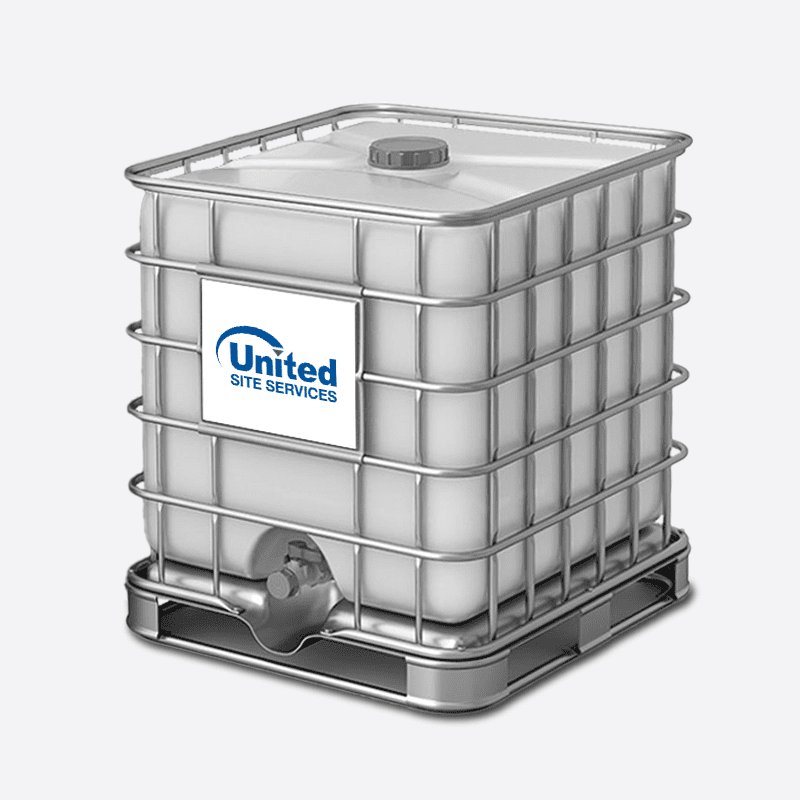
Looking for a reliable solution to ensure a steady supply of water for your household or business? A water tank is the answer. With increasing concerns about water scarcity, having a water tank is a smart and sustainable choice. Not only does it provide a backup during water shortages, but it also helps in water conservation efforts. Explore the benefits and options of water tanks in this article.

The Fascinating World of Water Tanks: Everything You Need to Know
Welcome to the wonderful world of water tanks! Have you ever wondered how water tanks work or why they are so important? Let’s dive in and explore the ins and outs of these incredible structures that play a vital role in our daily lives.
What is a Water Tank?
At its core, a water tank is a container used to store and supply water. These tanks come in various shapes and sizes, ranging from small household tanks to massive industrial reservoirs. Water tanks are essential for ensuring a steady supply of clean water for drinking, irrigation, firefighting, and many other purposes.
The Importance of Water Tanks
Water is a precious resource, and having access to a reliable water supply is crucial for sustaining life. Water tanks help communities and individuals store water during times of scarcity or emergency. In rural areas or places with unreliable municipal water systems, water tanks provide a lifeline for residents.
1. Water Conservation
One of the key benefits of water tanks is their role in water conservation. By collecting rainwater or storing water during off-peak hours, water tanks help reduce water wastage and ensure that every drop counts.
2. Emergency Preparedness
During natural disasters or emergencies, access to clean water can be limited. Having a water tank allows households to store water in advance, ensuring that they have a supply to rely on when needed the most.
Types of Water Tanks
Water tanks come in various types, each designed for specific purposes and settings. Some common types of water tanks include:
1. Plastic Water Tanks
Plastic water tanks are lightweight, durable, and cost-effective. These tanks are commonly used for residential purposes and are available in different shapes and sizes to suit individual needs.
2. Concrete Water Tanks
Concrete water tanks are sturdy and long-lasting, making them ideal for industrial and commercial applications. These tanks can store large volumes of water and are often used in areas with high water demand.
3. Metal Water Tanks
Metal water tanks, such as those made of steel or galvanized iron, are known for their strength and durability. These tanks are commonly used in agricultural settings or areas prone to extreme weather conditions.
How Water Tanks Work
Water tanks operate on a simple yet effective principle. When water enters the tank, it displaces the air inside, creating pressure that pushes the water out when needed. This system ensures a continuous flow of water to meet various needs.
1. Inlet and Outlet
Water tanks have designated inlet and outlet points that allow water to enter and exit the tank. The inlet is connected to a water source, such as a rainwater harvesting system or a municipal supply, while the outlet dispenses water for use.
2. Overflow and Drainage
Water tanks are equipped with overflow and drainage systems to prevent water from overflowing or stagnating. The overflow pipe directs excess water away from the tank, while the drainage system helps maintain water quality by flushing out impurities.
Maintaining Your Water Tank
Proper maintenance is essential to ensure the longevity and efficiency of your water tank. Here are a few tips to keep your water tank in top shape:
1. Regular Cleaning
Periodically clean your water tank to remove sediment, algae, and other contaminants that can affect water quality. Empty the tank completely and scrub the interior walls with a mild detergent to prevent buildup.
2. Inspect for Leaks
Check for any signs of leaks or damage in your water tank regularly. Repair any cracks or holes promptly to prevent water loss and maintain the structural integrity of the tank.
3. Monitor Water Levels
Keep an eye on the water levels in your tank to ensure an adequate supply at all times. Install a water level indicator or gauge to easily track the amount of water stored and plan for refills as needed.
Water tanks are not just containers; they are lifelines that provide us with the essential resource we need to survive. Whether it’s collecting rainwater for gardening or storing water for emergencies, water tanks play a crucial role in our daily lives. By understanding how water tanks work and the importance of proper maintenance, we can ensure a steady supply of clean water for generations to come.
So, the next time you turn on the tap and water flows effortlessly, remember the unsung hero behind the scenes – the humble water tank.
The Best Budget Water Tank/Water Bladder Setup for Mobile Detailing
Frequently Asked Questions
What factors should I consider when choosing a water tank?
When selecting a water tank, factors to consider include the size of the tank, material (such as plastic, steel, or concrete), location for installation, intended use (drinking water, irrigation, etc.), and budget. It’s important to choose a tank that suits your specific needs and fits within your available space.
How can I maintain my water tank to ensure water quality?
To maintain water quality in your tank, regularly inspect the tank for any signs of damage, clean the tank at least once a year to remove sediment and buildup, ensure proper ventilation to prevent algae growth, and consider installing a filter or treatment system to remove contaminants. Regular maintenance will help ensure that your stored water remains clean and safe for use.
What are the common issues I may face with a water tank?
Common issues with water tanks include leaks, cracks, corrosion (in metal tanks), contamination from debris or algae, and water stagnation leading to bacterial growth. Regular inspection, maintenance, and prompt repairs can help address these issues and ensure the longevity and functionality of your water tank.
Final Thoughts
In conclusion, maintaining your water tank regularly is crucial to ensure clean and safe water supply. Regular cleaning and inspection help prevent contamination and prolong the tank’s lifespan. Remember to schedule routine maintenance to avoid potential issues and ensure the efficiency of your water tank system. Stay proactive in caring for your water tank to safeguard your water quality and overall well-being.