container freight rates have surged as India’s port trade shifts, creating challenges for logistics worldwide. This increase raises questions about the future of shipping costs and trade dynamics.
Understanding the Surge in Container Freight Rates
The recent surge in container freight rates can be attributed to several intertwined factors affecting global trade. As economies rebound from the pandemic, demand for goods has skyrocketed, leading to capacity constraints in shipping.
In addition, the shift in India’s port trade has played a significant role, as increased exports and imports have strained existing logistics systems. Key reasons for this surge include:
- High Consumer Demand: The reopening of markets has led to an unprecedented increase in consumer spending.
- Supply Chain Disruptions: Ongoing supply chain issues continue to impact the timely delivery of goods.
- Port Congestion: Major ports are experiencing significant delays, further exacerbating the situation.
As a result, container freight rates have seen fluctuations, prompting concerns about their sustainability in the coming months.
Impact of India’s Port Trade Changes
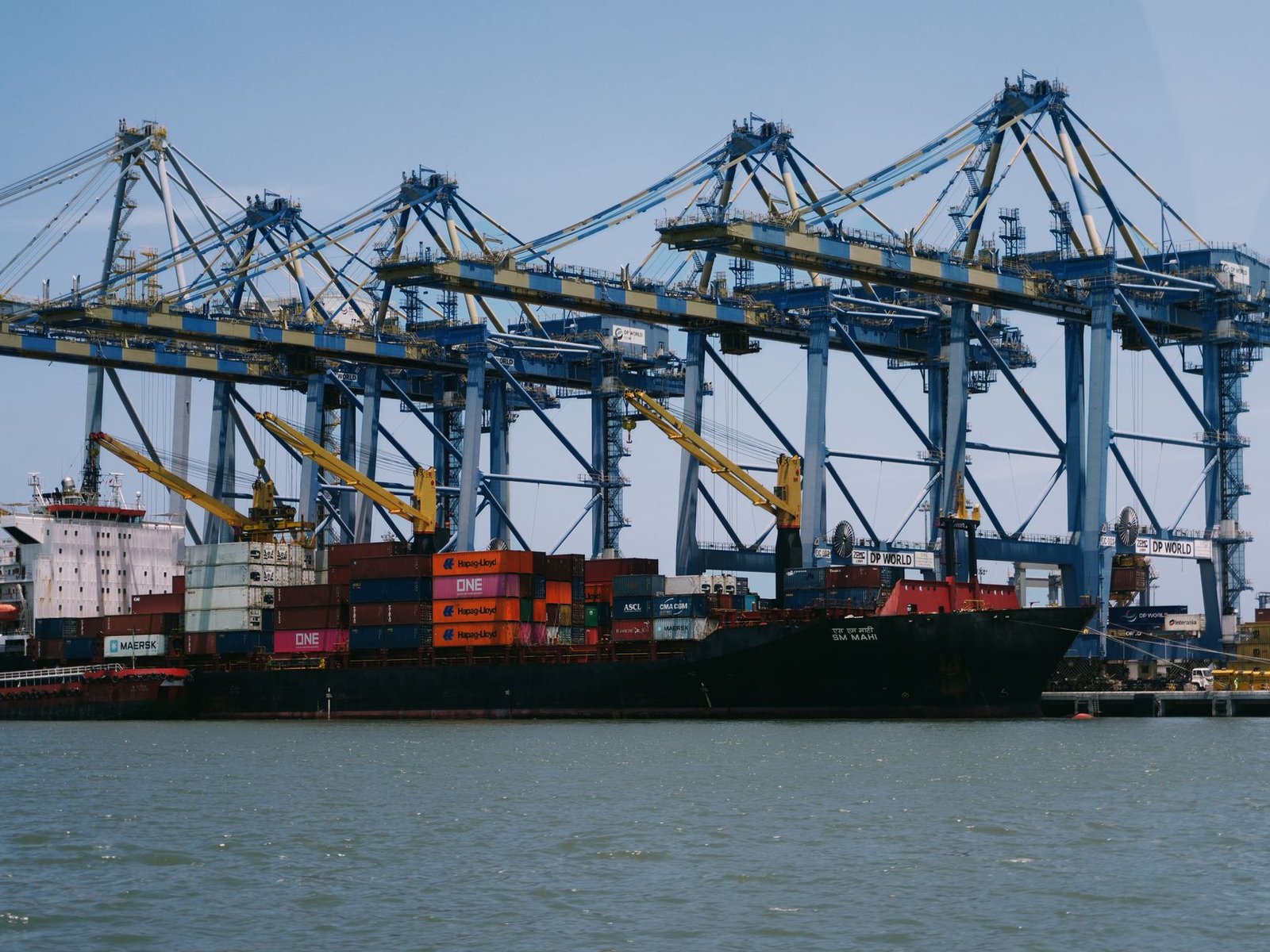
The recent changes in India’s port trade have significantly influenced container freight rates, which are now under intense scrutiny. As the country adapts to new trade policies and logistics strategies, the repercussions are felt globally.
Experts note that the shift has resulted in:
- Increased congestion: Major ports are experiencing delays, which can lead to higher shipping costs.
- Demand fluctuations: Changing trade routes and cargo volumes are creating instability in freight pricing.
- Supply chain adjustments: Companies are reevaluating their logistics, impacting overall shipping efficiency.
With these developments, many are questioning if container freight rates are the worst they’ve ever been. As the situation evolves, stakeholders must remain vigilant to navigate the challenges ahead.
Challenges for the Logistics Industry
The logistics industry is currently facing numerous challenges that are exacerbating the situation for container freight rates. As global demand fluctuates, shipping companies are struggling to keep up with the changing dynamics.
Key factors contributing to the difficulties include:
- Increased Fuel Costs: Rising oil prices are putting pressure on shipping companies, leading to higher operational expenses.
- Port Congestion: Delays at major ports are causing bottlenecks, further inflating costs and slowing down supply chains.
- Labor Shortages: A lack of skilled workers in logistics and shipping has hindered productivity, impacting the overall efficiency of operations.
- Regulatory Changes: New regulations in various countries are creating uncertainty, making it difficult for firms to navigate the logistics landscape.
These issues not only affect container freight rates but also challenge the stability of global trade.
Future Outlook for Shipping Costs
As the logistics industry navigates ongoing challenges, the future outlook for shipping costs remains uncertain. Experts suggest that while current container freight rates are historically low, fluctuations are expected due to several factors.
Market analysts highlight the following trends that may influence future rates:
- Global Demand Recovery: As economies rebound post-pandemic, demand for goods is anticipated to rise, potentially increasing freight rates.
- Infrastructure Investments: Improvements in port infrastructure, especially in India, could enhance efficiency and affect shipping costs positively.
- Environmental Regulations: Stricter regulations aimed at reducing emissions may lead to higher operational costs for shipping companies.
Overall, while current container freight rates reflect a challenging market, the evolving dynamics suggest that shippers should remain vigilant and adaptable.
Photo by Jan van der Wolf on Pexels