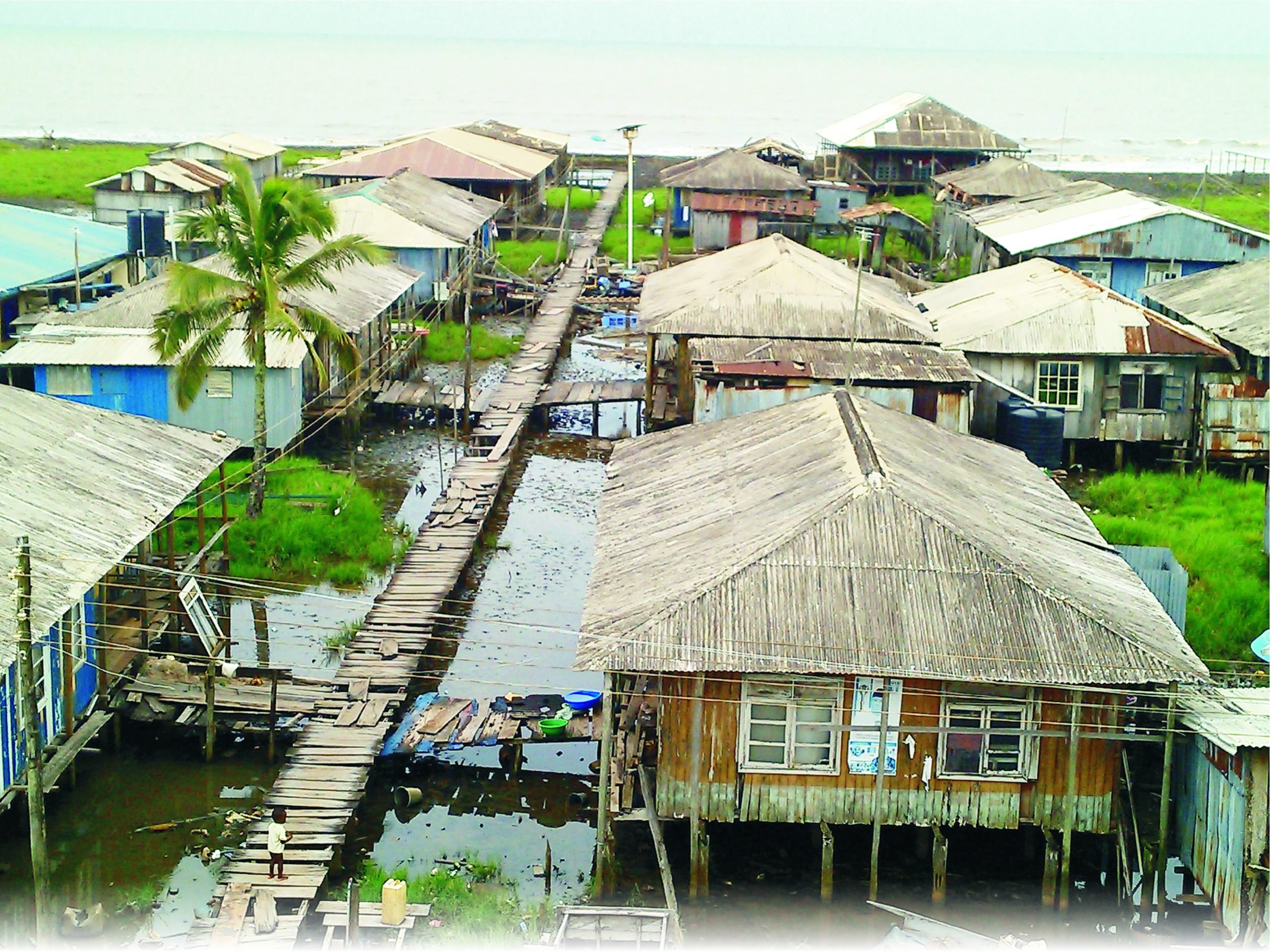
Ilaje, a vibrant cultural gem nestled along the Nigerian coastline, beckons travelers seeking authentic experiences. Known for its rich history, pristine beaches, and warm hospitality, Ilaje is a haven waiting to be explored. Wander through bustling markets, savor traditional delicacies, and immerse yourself in the rhythmic beats of local music. Marvel at the intricate craftsmanship of handwoven textiles and vibrant artistry. Discover the true essence of Ilaje as you navigate its winding streets and mingle with locals eager to share their stories. Uncover the hidden treasures of this coastal paradise, where every corner reveals a new adventure.

The Fascinating World of Ilaje: Exploring a Unique Culture
Welcome to the enchanting world of Ilaje, a vibrant community with a rich history and culture that dates back centuries. Situated in the southwestern part of Nigeria, Ilaje is a coastal region known for its breathtaking landscapes, colorful traditions, and warm hospitality. Join us on a journey to uncover the hidden gems and fascinating aspects of Ilaje culture.
History of Ilaje
The history of Ilaje is a tapestry woven with tales of resilience, trade, and cultural exchange. The Ilaje people are believed to have migrated to their current location from various parts of Yorubaland, settling along the Atlantic coast. Over the years, Ilaje has developed a distinct identity shaped by its interactions with neighboring communities and European explorers.
One of the defining features of Ilaje’s history is its role as a prominent maritime and trading hub. The Ilaje people were skilled fishermen and traders who navigated the waters of the Atlantic Ocean with expertise. Their trading activities brought them into contact with different cultures, influencing their customs, language, and artistic expressions.
Traditional Practices and Beliefs
Central to Ilaje culture are traditional practices and beliefs that have been passed down through generations. The Ilaje people have a deep connection to the land and sea, viewing nature as a source of spiritual inspiration and sustenance. Rituals and ceremonies are integral to their way of life, marking important milestones such as births, weddings, and funerals.
One of the most revered deities in Ilaje culture is Olokun, the god of the sea. Olokun is believed to protect the waters and bless fishermen with bountiful catches. Ceremonies in honor of Olokun involve elaborate rituals, music, and dance, reflecting the vibrant spirit of Ilaje tradition.
Art and Craftsmanship
The artistry and craftsmanship of the Ilaje people are evident in their vibrant textiles, intricate beadwork, and distinctive pottery. Skilled artisans create beautiful handwoven fabrics, colorful beads, and ornate pottery that showcase the creativity and talent of the community.
Ilaje women are renowned for their mastery of beadwork, creating intricate designs that adorn clothing, jewelry, and ceremonial regalia. Each bead carries symbolic meaning, reflecting the wearer’s status, beliefs, and aspirations. The art of beadwork is a cherished tradition that is passed down from mother to daughter, ensuring its preservation for future generations.
Cuisine and Festivals
The cuisine of Ilaje is a celebration of fresh seafood, flavorful spices, and traditional cooking techniques. Fish, crabs, and prawns are staples of the Ilaje diet, prepared in a variety of delicious dishes that reflect the region’s coastal heritage. Spices such as cayenne pepper, cloves, and nutmeg add depth and complexity to Ilaje cuisine, tantalizing the taste buds of all who sample it.
Throughout the year, the Ilaje community comes together to celebrate a myriad of festivals that showcase their cultural heritage. From the Olokun Festival, which honors the sea god, to the Egungun Festival, which pays homage to ancestors, each event is a colorful and lively affair filled with music, dance, and traditional performances.
Challenges and Opportunities
Despite its rich cultural heritage, the Ilaje community faces various challenges, including environmental degradation, economic instability, and limited access to healthcare and education. Rising sea levels, pollution, and overfishing threaten the fragile ecosystem upon which the Ilaje people depend for their livelihood.
However, amidst these challenges, there are opportunities for growth and development. Initiatives aimed at promoting sustainable fishing practices, improving infrastructure, and empowering local artisans are helping to support the resilience and creativity of the Ilaje community. By harnessing their cultural heritage and embracing innovation, the Ilaje people are working towards a brighter future for generations to come.
Exploring Ilaje Today
As we conclude our exploration of Ilaje, we are left with a deep appreciation for the beauty, resilience, and cultural richness of this unique community. From its vibrant traditions and artistic expressions to its flavorful cuisine and spirited festivals, Ilaje offers a glimpse into a world that is as enchanting as it is diverse.
By preserving their heritage, embracing change, and fostering community unity, the Ilaje people are charting a course towards a future that honors their past while embracing the opportunities of tomorrow. Join us in celebrating the spirit of Ilaje and the enduring legacy of a culture that continues to inspire and captivate all who encounter it.
Frequently Asked Questions
What is the culture of the Ilaje people like?
The Ilaje people have a rich culture that is strongly influenced by their maritime lifestyle. They are known for their fishing prowess, traditional festivals, and unique music and dance styles. Their culture places a strong emphasis on community, respect for elders, and traditional beliefs.
How do the Ilaje people traditionally make a living?
The Ilaje people have traditionally made a living through fishing, boat building, and trading. Their proximity to the water has enabled them to become skilled fishermen, using canoes and traditional fishing methods to catch a variety of seafood. Boat building is also a significant economic activity for the Ilaje people, as they construct various types of wooden boats for fishing and transportation.
What is the traditional architecture of Ilaje communities like?
The traditional architecture of Ilaje communities is characterized by unique structures that are often built on stilts over water. These elevated houses, known as “floating houses,” are designed to protect against flooding and provide easy access to the water for fishing and transportation. The use of locally sourced materials such as bamboo and thatch is common in the construction of these houses.
Final Thoughts
The Ilaje people of Nigeria embody rich cultural heritage and resilience. Their traditional practices and close connection to the sea shape their unique way of life. Despite facing challenges, such as environmental degradation and limited resources, the Ilaje community continues to thrive through unity and resourcefulness. As we reflect on the significance of cultural preservation and sustainable development, the Ilaje serve as a shining example of the importance of embracing one’s roots and adapting to change. In conclusion, the Ilaje people exemplify the strength and spirit of a community deeply rooted in tradition and facing the future with resilience.